
School of Economics and Public Policy
B.Sc. (Hons.)(Economics)
Why B.Sc. (Hons.)(Economics) at RV University?
The strengths and uniqueness of the B.Sc. (Hons) programme in RV University lay on 4 pillars:
- Sound theoretical knowledge and critical thinking
- Deep and critical understanding of contemporary issues
- Skill building in communication, computer applications, data analysis
- Hands on learning through field work, self-study, internships, subject-based projects and experiential learning
Programme Overview
Learning at the School of Economics and Public Policy at RV University focuses on holistic education that creates critical thinking individuals with strong disciplinary understanding, broad perspective of issues and problems gained through multiple lenses, and hands-on experiences and skills to take on challenges and solve problems at the workplace and in real life. The School strives to provide a space where students are able to pursue their interests, satisfy their curiosities and excel in any field they choose. To facilitate such an education, the B.Sc. (Hons.) Economics curriculum at SOEPP balances theoretical courses with courses that are based on practical applications, skills, and experiential learning. Students get the freedom to choose courses from within and outside of their disciplinary boundaries, and specialise in areas of their choice. Students are encouraged to take up research, projects and self-study to stimulate their critical and analytical abilities and become independent thinkers and practitioners.
The 4-year B.Sc. (Hons) Economics curriculum is in line with the recommendations from the New Education Policy (NEP). It blends the most recent theoretical advancements in economics with understanding of contemporary issues and events and hands-on learning experiences in the field and in industries. Thus the program has three components to it: theoretical understanding, experiential knowledge and research; giving a solid foundation to students to build their career in economics.
Specialisations
Data Analytics
Economics Major with Data Analytics Minor
Semester – 1
- Economic Principles
- Mathematical Tools
- Advanced Calculus (Minor 1)
- Poverty, Inequality and Development
- Digital Fluency (Excel & Python)
- Health & Wellness
- Language 1
- Language 2
Semester – 2
- Introductory Statistics
- Linear Algebra (Minor 2)
- Probability Theory (Minor 3)
- International Business Environments
- Environment Studies
- Immersion
- Language 1
- Language 2
Semester – 3
- Intermediate Micro Economics
- National Budget Analysis
- Vocational (Digital Marketing)
- Constitution of India
- AI
- Linear Programming & Optimization (Minor 4)
- Language 1
- Language 2
Semester – 4
- Intermediate Macro Economics
- Political economy of underdevelopment
- Vocational (Content Writing)
- Cyber security
- Language 1
- Language 2
- Sampling Theory (Minor 5)
- Internship
Semester – 5
- Econometrics – I
- Development Theories
- History of Economic Thought/India’s Development Trajectory
- Vocational (Computerized Accounting/Graphic Designing)
- Design Thinking
- Ethics and Self Aware
- Coding and Data Analytics with Python/R (Minor 6)
Semester – 6
- International Trade
- Public Economics
- Indian Financial System/Agricultural Rural Development
- English Communication
- Databases, SQL & Big Data (Minor 7)
- Vocational (Project Management)
Semester – 7
- Financial Economics
- Mathematical Economics
- Issues in Indian Economy
- Behavioral Economics/Health Education
- International Finance/Urban Development
- Research Methods
Semester – 8
- Econometrics – II
- Economics of Labor
- Environmental Economics
- Self-Study based on Research Project
- Research Project
Development and Public Policy
Economics Major with Development and Public Policy Minor
Semester – 1
- Economic Principles
- Mathematical Tools
- Introduction to Public Policy (Minor 1)
- Poverty, Inequality and Development
- Digital Fluency (Excel & Python)
- Health & Wellness
- Language 1
- Language 2
Semester – 2
- Introductory Statistics
- Development Policies in India (Minor 2)
- Comparative Development Experiences (Minor 3)
- International Business Environments
- Environment Studies
- Immersion
- Language 1
- Language 2
Semester – 3
- Intermediate Micro Economics
- National Budget Analysis
- Vocational (Digital Marketing)
- Constitution of India
- AI
- Policy Analysis (Minor 4)
- Language 1
- Language 2
Semester – 4
- Intermediate Macro Economics
- Political economy of underdevelopment
- Vocational (Content Writing)
- Cyber security
- Language 1
- Language 2
- Regulatory Governance (Minor 5)
- Internship
Semester – 5
- Econometrics – I
- Development Theories
- History of Economic Thought/India’s Development Trajectory
- Vocational (Computerized Accounting/Graphic Designing)
- Design Thinking
- Ethics and Self Aware
- Planning and Monitoring of Development Projects (Minor 6)
Semester – 6
- International Trade
- Public Economics
- Indian Financial System/Agricultural Rural Development
- English Communication
- Impact Evaluations (Minor 7)
- Vocational (Project Management)
Semester – 7
- Financial Economics
- Mathematical Economics
- Issues in Indian Economy
- Behavioral Economics/Health Education
- International Finance/Urban Development
- Research Methods
Semester – 8
- Econometrics – II
- Economics of Labor
- Environmental Economics
- Self-Study based on Research Project
- Research Project
Programme Structure
| BSc (Hons.) Economics Programme Structure (4 years) | ||||
|---|---|---|---|---|
| YEAR-1 | ||||
| Semester 1: Foundation Courses | ||||
| 1 | Sem-1 | Principles of Economics | 4 | Core |
| 2 | Sem-1 | Mathematical Economics -I | 4 | Core |
| 3 | Sem-1 | Research Methods- I | 3 | Core |
| 4 | Sem-1 | Happiness & Self Awareness | 2 | Ability Enhancement |
| 5 | Sem-1 | Spreadsheet Application | 3 | Skill Enhancement |
| 6 | Sem-1 | Academic Writing | 2 | Skill Enhancement |
| 7 | Sem-1 | Basic Psychology | 3 | Inter Disciplinary Course |
| 8 | Sem-1 | English Language | 2 | Ability Enhancement |
| Total Credits Sem 1 | 23 | |||
| Semester 2: Foundation Courses | ||||
|---|---|---|---|---|
| 1 | Sem-2 | Intermediate Microeconomics I | 3 | Core |
| 2 | Sem-2 | Intermediate Macroeconomics I | 3 | Core |
| 3 | Sem-2 | Financial Statement Analysis | 3 | Inter Disciplinary Course |
| 4 | Sem-2 | History of Economic Thought | 3 | Core |
| 5 | Sem-2 | Mathematical Economics II | 4 | Core |
| 6 | Sem-2 | Indian Constituition & Political system | 3 | Ability Enhancement |
| 7 | Sem-2 | Foreign Language | 2 | Ability Enhancement |
| 8 | Sem-2 | Design Thinking | 2 | Skill Enhancement |
| 9 | Sem-2 | Immersion visits & report | 2 | Experential |
| Total Credits Sem 2 | 25 | |||
| Total Credits Year 1 | 48 | |||
| YEAR-2 | ||||
|---|---|---|---|---|
| Semester 3 | ||||
| 1 | Sem-3 | India’s economic development trajectory | 3 | Core |
| 2 | Sem-3 | Intermediate Microeconomics II | 3 | Core |
| 3 | Sem-3 | Intermediate Macroeconomics II | 3 | Core |
| 4 | Sem-3 | Statistical Methods I | 4 | Core |
| 5 | Sem-3 | Environmental Studies and Sustainability | 2 | Ability Enhancement |
| 6 | Sem-3 | Minor courses from other schools/programmes | 6 | Minors |
| Total Credits Sem 3 | 21 | |||
| Semester 4 | ||||
|---|---|---|---|---|
| 1 | Sem-4 | International Economics I | 3 | Core |
| 2 | Sem-4 | Growth&Development I | 3 | Core |
| 3 | Sem-4 | Statistical Methods II | 4 | Core |
| 4 | Sem-4 | Public Economics | 4 | Core |
| 5 | Sem-4 | Minor courses from other schools/programmes | 6 | Minor |
| 6 | Sem-4 | Data Visualization | 2 | Skill Enhancement |
| 7 | Sem-4 | Internship | 4 | Experential |
| Total Credits Sem 4 | 26 | |||
| Total Credits Year 2 | 47 | |||
| YEAR-3 | ||||
|---|---|---|---|---|
| Semester 5 | ||||
| 1 | Sem-5 | International Economics II | 3 | Core |
| 2 | Sem-5 | Econometrics I | 4 | Core |
| 3 | Sem-5 | Growth&Development II | 3 | Core |
| Sem-5 | Discipline Specific Elective (DSE)- Any 2 | 6 | DSE | |
| 4 | Sem-5 | Game Theory | 3 credits each | |
| 5 | Sem-5 | Agriculture and Rural Development | ||
| 6 | Sem-5 | Behavioural Economics | ||
| 7 | Sem-5 | Public Policy Analysis&Evaluation | ||
| 8 | Sem-5 | Minors from other schools/programs | 6 | Minor |
| Total Semester 5 | 22 | |||
| Semester 6 | ||||
|---|---|---|---|---|
| 1 | Sem-6 | Financial Economics I | 4 | Core |
| 2 | Sem-6 | Econometrics II | 4 | Core |
| 3 | Sem-6 | Capstone Project | 4 | Research |
| Sem-6 | Discipline Specific Elective (DSE)- Any 2 | 6 | DSE | |
| 4 | Sem-6 | Institutional Economics | 3 credits each | |
| 5 | Sem-6 | Comparitive Development Economics | ||
| 6 | Sem-6 | Operations Research | ||
| 7 | Sem-6 | Acturial Economics | ||
| 8 | Sem-6 | Minors from other schools/programs | 6 | |
| Total Credits Sem 6 | 24 | |||
| Total Credits Year 3 | 46 | |||
| Semester 7 | ||||
|---|---|---|---|---|
| 1 | Sem-7 | Research Methods II | 4 | Core |
| 2 | Sem-7 | Health & Education Economics | 3 | Core |
| 3 | Sem-7 | Environmental Economics | 3 | Core |
| Sem-7 | Discipline Specific Elective (DSE)- Any 1 | 3 | Specialization | |
| 4 | Sem-7 | Financial Economics II | ||
| 5 | Sem-7 | Urban Economics | ||
| 6 | Sem-7 | Proposal Presentation | 2 | Open/Discipline Major Elective |
| Total Credits Sem 7 | 15 | |||
| Semester 8 | ||||
|---|---|---|---|---|
| 1 | Sem-8 | Labour & Gender Economics | 3 | Core |
| 2 | Sem-8 | Impact Evaluations | 4 | Core |
| 3 | Sem-8 | Honor’s Thesis | 6 | Research |
| Total Credits Sem 8 | 13 | |||
| Total Credits Year 4 | 28 | |||
| GRAND TOTAL | 169 | |||
Career Options
A degree in Economics and Finance can open up career tracks in numerous sectors in the global market. Having an analytical mind and a strong awareness of the world, this career will help students use innovative techniques and mindful understanding to overcome problems with logical solutions.
- Teaching
- Academic Research
- Civil Services
- Banking
- Entrepreneurship
- Data Analytics
- Actuaries & Risk Assessment
- Market Research
- Development Sector NGOs
- Policy Think Tanks
- Ministry of Finance
- Niti Aayog
- RBI
Eligibility & Selection Criteria
| Programme | National Eligibility test / State Eligibility test if any | Eligibility | Selection Process |
|---|---|---|---|
| B.Sc. (Hons) | None | Class 12/ PUC II from a recognized Board |
Above 70% in PUC II or 12th – Direct admission. Below 70% – Interview by the members of the Academic Review Committee. |
How To Apply

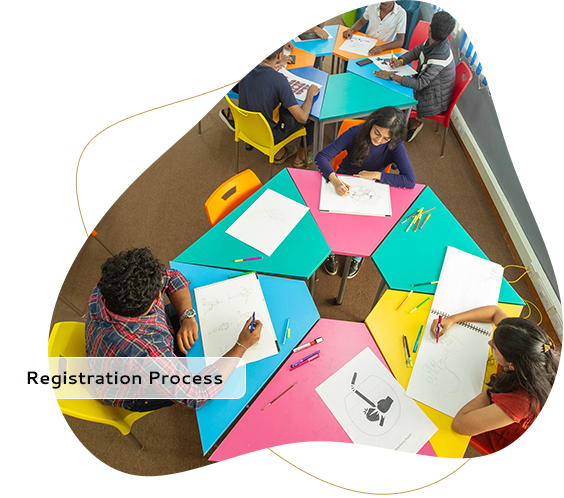
Complete Online Application
Select the course and fill out the application form. Apply online https://admissions.rvu.edu.in/

RVU Selection Process
Complete the course-based selection process

Selection Letter Issued
Subject to fulfillment of eligibility and admission process

Programme Registration
On receipt of registration fee as specified in the selection letter

Provisional Admission Letter
Issued upon completion of the selection process
 Academics
 Admissions
 Faculty
 Enquire